Flo, Phyn, and Zooz Titan: 2026 Smart Water Leak Shutoff Guide
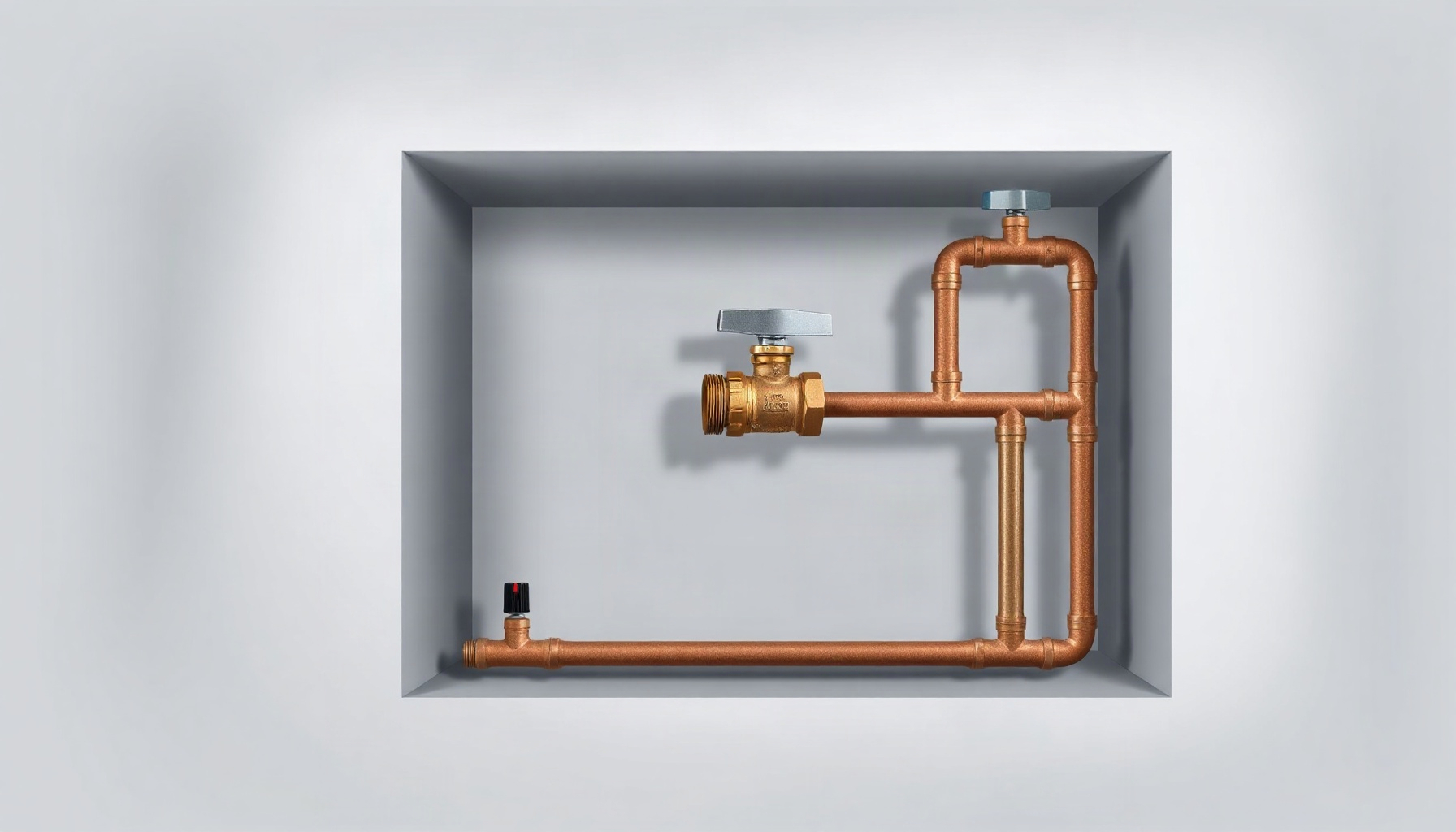
If you’re shopping for smart water leak detection and automatic shutoff in 2026, the math is simple: water damage claims hit 5.33 per 100 insured homes in 2023 at an average severity of $20,062, and the devices that stop those claims range from a $170 valve actuator to a $676 inline monitor. The sensors are cheap; the shutoff is where the money goes. Your real decision is cloud-first convenience versus local-first control.
Verdict: For most US homeowners, the Flo by Moen Smart Water Monitor and Shutoff (900-006) is our top pick at 8.5/10 — it’s the simplest complete system with a free app, automatic shutoff, and no mandatory subscription. If you run Home Assistant or want shutoff that works without the internet, the Zooz Titan ZAC36 also earns 8.5/10 on a different path.
Why Water Damage Deserves a Spot in Your 2026 Budget
Water damage is one of the most common and most expensive homeowner claims, which is why an automatic shutoff belongs in your 2026 budget. Triple-I data puts the “water damage and freezing” category at 5.33 claims per 100 insured homes in 2023, averaging $20,062 per claim — and the 2019–2023 average was 5.64 claims per 100 policies at $17,059 (Triple-I).
Those numbers translate directly into a purchase decision. A burst washing-machine hose or a failed water heater can dump hundreds of gallons into a house in the time it takes you to drive home. An automatic shutoff valve closes the main the moment a leak pattern is detected — minutes, not hours. Spending $170–$676 up front is a rational hedge against a five-figure claim, and it’s the same logic insurers use when they list automatic shut-off valves among the devices they want to see in a home (State Farm).
How We Researched This Guide
This guide is based on official documentation, vendor pricing pages, and published industry statistics — we did not install or test these systems hands-on. Every price and statistic below comes from the vendors’ own store pages, the Insurance Information Institute’s loss data, Home Assistant’s documentation, and carrier explainers. We compared what each manufacturer documents rather than repeating retailer marketing copy.
That method has trade-offs worth naming. We can verify list prices, warranty terms, app costs, and integration claims from primary sources, but we cannot tell you how Flo’s FloSense behaves in a 1960s house with galvanized pipe, or whether Zooz’s actuator jaw fits your specific valve without sticking. Where a claim is the manufacturer’s own — such as Moen’s statement that it can reduce up to 90% of household water waste — we attribute it as a vendor claim. Read this as a specification comparison, not a long-term field test.
Flo by Moen Smart Water Monitor and Shutoff
Flo by Moen is a whole-home inline monitor with automatic shutoff, and it’s the most complete cloud-first package of the three headline products. The 1-inch 900-006 lists at $675.99 and was shown at $549.98 on Moen’s own store, while the 3/4-inch 900-001 runs $623.99 (Moen, Moen).
The core technology is FloSense, which learns your home’s water-use pattern, and internal ultrasonic sensors that distinguish normal use from a leak or burst. Moen says the device alerts on leaks and on freezing conditions and can automatically shut off the water; the company also claims it can reduce up to 90% of household water waste. The Moen Smart Water App is free, with no fees or subscriptions required, and the hardware works with Amazon Alexa, Ring, Alarm.com, and NICE (Moen).
Two caveats. First, the warranty is short: one year limited. The FloProtect add-on at $5 per month extends coverage to a five-year extended warranty and adds up to $5,000 deductible coverage on your home insurance policy — but it is optional, not required for leak detection or shutoff (Moen). Second, an inline device on the main line is a professional-install job for most homeowners, so budget for a plumber on top of the hardware price.
Phyn Plus Smart Water Assistant + Shutoff
Phyn Plus takes a different technical route: instead of ultrasonic flow sensing, it uses high-definition pressure-wave analysis on the main water line to identify leaks and usage events. The 2nd-generation unit is $579.99 on Phyn’s own store, and the Phyn app is free with SMS and push leak alerts — plus, notably, it can connect you to a plumber (Phyn).
That plumber connection matters because of the main catch: installation uses standard water-meter fittings, and adapters are sold separately. The $579.99 sticker is not the installed price, and you should confirm which fittings your supply line uses before ordering (Phyn).
On insurance, Phyn is more measured than most marketing copy: the company’s site says many but not all carriers offer discounts for these devices (Phyn). That’s the honest framing for this whole category — your discount, if any, depends on your carrier, your state, and your policy. If pressure-wave diagnostics and a built-in plumber pipeline appeal to you, Phyn is a strong alternative to Flo at a slightly lower price.
DIY and Local-First Options: Zooz Titan, Eve Water Guard, Aqara
The key distinction in the DIY tier is actuator versus sensor: an actuator physically closes a valve, while a sensor only detects water. The Zooz Titan ZAC36 is an actuator at $169.95 (list $199.95) at The Smartest House — by far the cheapest path to automatic shutoff (The Smartest House).
Before wiring any of this to a hub, it’s worth understanding how the radio layer differs — our Zigbee vs Z-Wave vs Matter comparison covers the tradeoffs. The Titan mounts on an existing ball valve — 0.5“ to 1.25“ ball valves only, with 3 inches of clearance on each side. A larger jaw fork (sold separately) handles hex nuts up to 22 mm. Check your valve before buying. It runs Z-Wave Long Range 700 Series with SmartStart pairing, ships in an outdoor-capable case, carries a 5-year warranty and lifetime tech support, and requires a Z-Wave controller sold separately (The Smartest House, Zooz). Critically, it closes the valve even when the hub is offline or when there is no hub at all, and it ships with a wired leak-sensor probe. Zooz joined Home Assistant’s “Works with Home Assistant” program in July 2025 and runs locally through the Z-Wave JS integration (Home Assistant).
On the sensor side, the Eve Water Guard is a Thread/HomeKit detector with a 6.5 ft / 2 m extendable sensing cable, a 100 dB siren, visual alert, siren-test mode, Bluetooth + Thread connectivity, no hub required, and no subscription (Eve). Line-powered Thread devices strengthen the mesh; battery-powered ones are end devices. But it does not shut off water — it must be paired with an actuator or shutoff valve. The Aqara Water Leak Sensor T1 is a Zigbee battery sensor that needs a hub, and Aqara’s documentation notes Matter-over-Thread accessories require a Matter controller such as the Aqara Hub M3, set up in Aqara Home first (Aqara).
One honest Matter caveat: Matter is maintained by the Connectivity Standards Alliance (CSA), but its device-type coverage for water leak detection is narrower than for lights, locks, and common sensors. Whole-home water shutoff valves are largely not Matter-native in 2026 — the valve is normally the brand’s own cloud or hub product, and many “Matter-ready” leak sensors actually reach the network over Zigbee or a vendor hub and are bridged (Matter Alpha).
Cost and Insurance: What You Actually Pay
Upfront, the three paths cost $549.98–$675.99 for Flo (900-006 sale/regular; 900-001 is $623.99), $579.99 plus separately sold adapters for Phyn Plus, and $169.95 for Zooz Titan plus a Z-Wave hub and any additional sensors. Ongoing, Flo’s app is free with an optional $5/month FloProtect; Phyn’s app is free; Zooz and Home Assistant have no subscription (Moen, Phyn, The Smartest House).
On insurance, we won’t quote a percentage because no carrier publishes a universal figure — discounts are set per carrier, per state, and per policy. Moen says discounts “may be available through participating providers based on location and carrier,” and Phyn says many but not all carriers offer them (Moen, Phyn). State Farm’s explainer lists automatic shut-off valve devices among what carriers look for (State Farm) — treat that as a checklist, not a promise. Call your own agent before you buy, and ask exactly which device models qualify in your state. FloProtect’s up-to-$5,000 deductible coverage is a concrete, documented benefit if you want a guaranteed financial offset rather than a maybe-discount.
Home Assistant Automation: Moisture Trigger to Valve Shutoff
Home Assistant documents the exact pattern DIY buyers want: when a leak sensor detects water, close the smart water shutoff valve and send a critical notification. The official docs define a moisture.detected trigger with that worked example, and sensors can be targeted by label — so all basement and bathroom sensors can share one automation. (Home Assistant).
Because the valve is just a switch/valve entity in Home Assistant, any brand that integrates works — including the Zooz Titan through Z-Wave JS, which runs locally. A minimal version of the automation looks like this:
automation:
  - alias: "Shut off water main on leak"
    trigger:
      - platform: moisture.detected
        label: water_sensors
    action:
      - service: valve.close_valve
        target:
          entity_id: valve.water_main
      - service: notify.critical
        data:
          message: "Leak detected — water main closed"
This is the strongest argument for the Zooz path: your leak-to-shutoff logic runs on your own hardware, and the Titan still closes the valve if the hub or internet drops. If you’re new to local automations, our Home Assistant automations guide for beginners covers the trigger-and-action model, and our Home Assistant setup guide covers the install side.
Recommendation: Which System Should You Buy?
The scores are close because the products serve different buyers: Flo by Moen 900-006 — 8.5/10, Phyn Plus 2nd gen — 8.0/10, and Zooz Titan ZAC36 — 8.5/10 for local-first and Home Assistant users. The right pick depends on whether you want the vendor to handle everything or you want control yourself (Moen, Phyn, The Smartest House).
- Buy Flo (8.5/10) if you’re a cloud-first homeowner who wants the simplest working automatic shutoff, a free app, and no mandatory subscription. Accept the $549.98–$675.99 price, professional installation, and an extended warranty paywalled behind FloProtect.
- Buy Phyn Plus (8.0/10) if you want main-line pressure-wave diagnostics and a direct plumber connection. Budget for the separately sold adapters and check discount availability with your carrier first.
- Buy Zooz Titan (8.5/10) if local control, offline shutoff, and a much lower upfront cost matter more than built-in leak learning. You supply the hub and the sensors — but the valve still closes without internet.
FAQ
Do smart water shutoff valves qualify for homeowners insurance discounts?
They can, but no carrier publishes a universal percentage. Discounts are set per carrier, per state, and per policy. Moen says discounts may be available through participating providers by location and carrier, and Phyn says many but not all carriers offer them. Call your own agent with the specific model before buying.
Can I use Home Assistant with Flo or Phyn, or do I need Zooz?
Home Assistant’s documented leak automation works with any valve that integrates, and the valve is just a switch/valve entity — so the practical question is whether your specific model exposes an entity to Home Assistant. Zooz Titan is the documented local-first option: Zooz joined the “Works with Home Assistant” program in July 2025 and runs locally through Z-Wave JS. For Flo and Phyn, check current integration support before relying on them in an automation.
Does Eve Water Guard shut off my water, or do I need an actuator too?
No — Eve Water Guard detects only. It alerts as soon as water touches its 6.5 ft / 2 m extendable sensing cable, sounds a 100 dB siren, and shows a visual alert, with Bluetooth + Thread connectivity, no hub, and no subscription. But it does not shut off water. It is the sensor half of the stack and must be paired with an actuator or a shutoff valve, such as the Zooz Titan, to close the main automatically.
📖 Related Reads
- ToolBrain — tool reviews, LLM comparisons, and AI workflow guides
Cross-links automatically generated from SmartHome Field Guide.
← Back to guides